If you are deciding between downtown Crystal Lake and the west side, you are really choosing between two different day-to-day experiences, not just two points on a map. One area leans historic, walkable, and close to the city’s civic core, while the other often offers newer housing, more open space, and easy access to parks and trails. If you want a clearer way to compare the two, this guide will walk you through housing style, setting, amenities, and lifestyle fit. Let’s dive in.
How Crystal Lake’s Neighborhoods Differ
Crystal Lake’s own planning documents note that each neighborhood and subdivision has its own character. That matters when you compare downtown and the west side, because they function as very different housing products and daily-life settings, even within the same city.
Citywide, Crystal Lake is primarily made up of single-family detached homes. At the same time, the city describes downtown as its mixed-use heart, while much of the newer residential growth is tied to the west and northwest areas, where vacant land and planned developments have been more common, according to the city’s planning documents.
Downtown Crystal Lake at a Glance
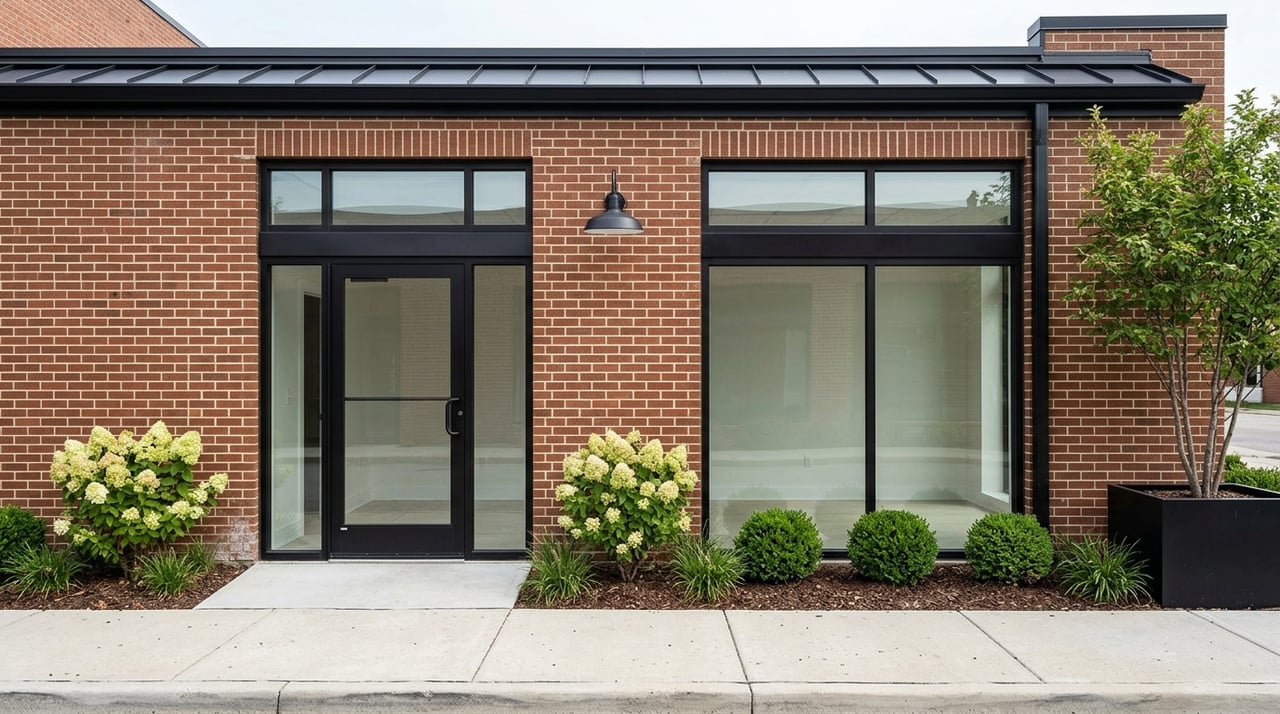
Downtown Crystal Lake offers the city’s most urban-feeling environment. It is compact, active, and centered around local businesses, gathering spaces, and transit access.
The city’s historic preservation materials describe the downtown area as about 0.169 square miles, with many buildings dating back to the late 1800s and early 1900s. That smaller footprint helps create the tighter street grid and more connected feel many buyers notice right away.
Housing Style Near Downtown
Residential areas around downtown are classified as Central Urban Residential, with planning guidance of about 4 to 6 dwelling units per acre. The city also describes mixed-use housing here as pedestrian-oriented and centered on a live-work-play pattern, as outlined in the comprehensive plan.
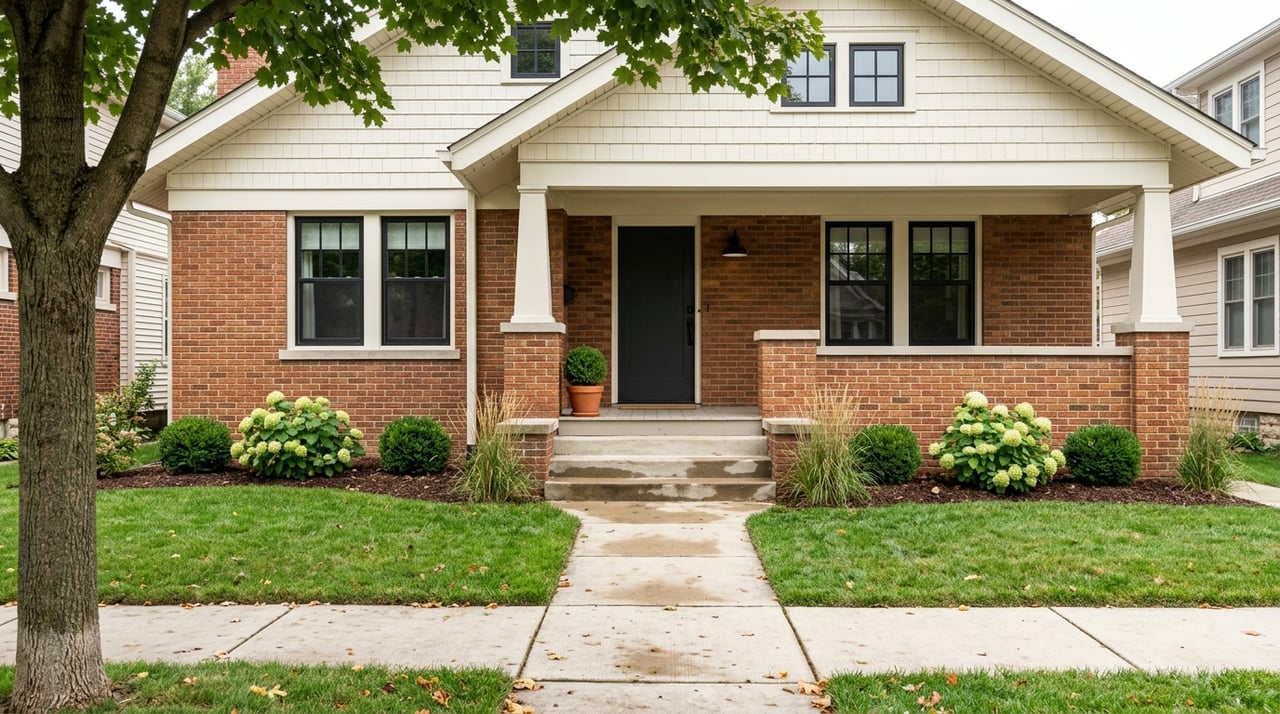
In practical terms, that often means older homes, more established blocks, and a streetscape with historic character. The city highlights landmark properties on or near streets such as Caroline, College, Virginia, Woodstock, Williams, and Dole, and its heritage materials point to homes built before 1900 in the downtown area.
Daily Life Downtown
If walkability matters to you, downtown is Crystal Lake’s strongest option. The city describes downtown as a place where local businesses thrive and where people gather, and it continues to invest in sidewalks, lighting, public gathering space, and pedestrian access to Depot Park, according to the community overview.
Downtown also includes the Metra station, commuter parking, and DORA seating areas. For buyers who want easier access to coffee shops, restaurants, events, and train service, that combination can be a major draw.
Lot Size and Setting
Downtown-adjacent homes often sit on smaller lots than west-side properties. Examples in the research showed downtown-area lots at 10,632 square feet and 8,470 square feet, which are useful for context, though not citywide averages.
That smaller-lot pattern fits the neighborhood’s more compact and connected layout. You may give up some yard space, but you often gain proximity to downtown amenities and a more walkable setting.
West Side Crystal Lake at a Glance
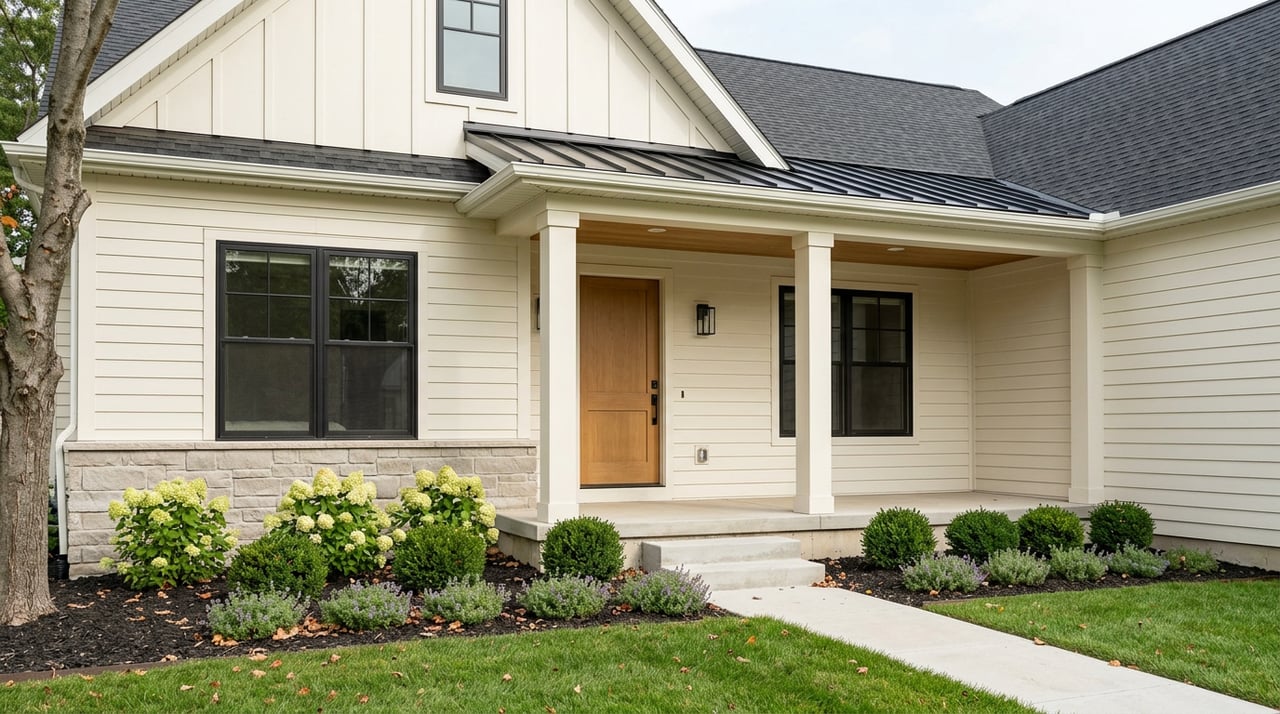
The west side and northwest portions of Crystal Lake generally feel more suburban and more growth-oriented. This is where the city’s planning framework most clearly points to newer residential product and planned development patterns.
According to the city’s planning documents, most vacant land is in the northwest sub-area, and newer subdivisions are commonly HOA-governed planned unit developments. That helps explain why many buyers looking for newer layouts or subdivision living focus their search on the west side.
Housing Options on the West Side
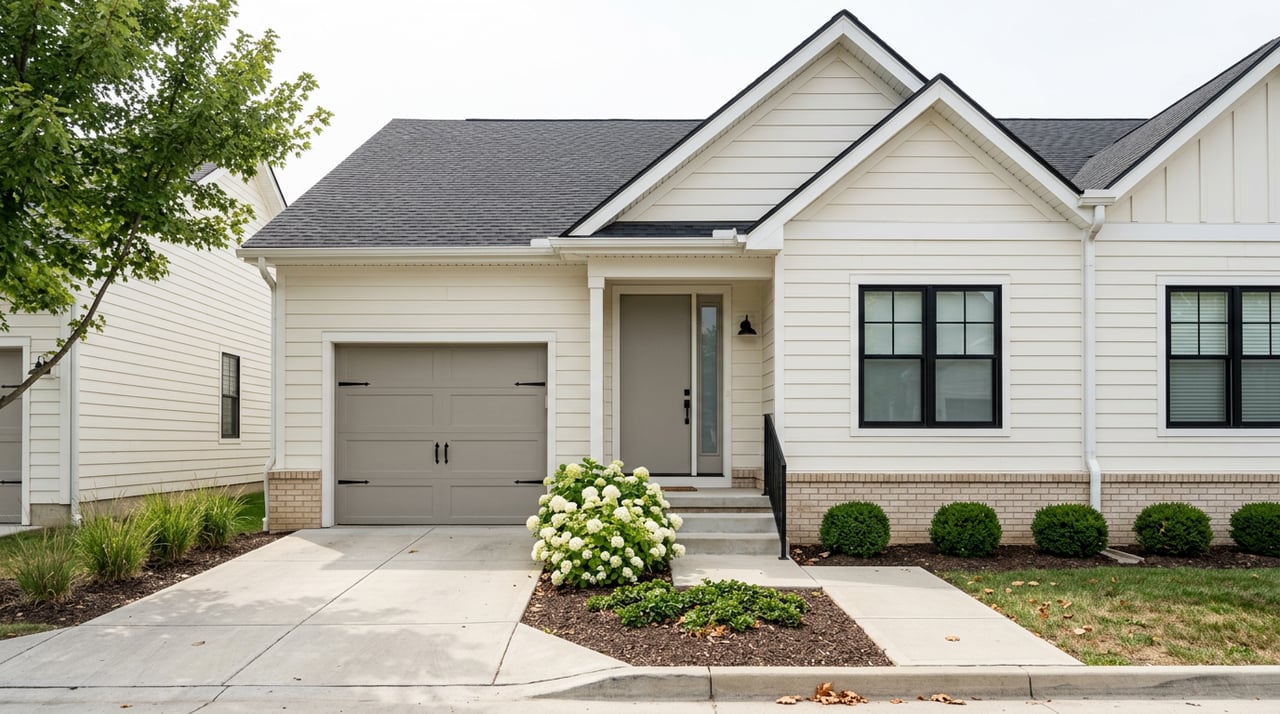
West-side housing is not limited to one format. While many buyers picture larger single-family homes in planned subdivisions, the city also points to newer townhomes, ranch-townhome rentals, and mixed-use redevelopment that combines housing with shopping, dining, and park space in current development activity.
That is an important nuance. Some west-side pockets feel like traditional suburban subdivisions, while others may feel more contemporary and amenity-driven than buyers expect.
Outdoor Access on the West Side
One of the west side’s strongest lifestyle advantages is recreation. If your ideal weekend includes trails, nature, beach access, or athletic space, this side of town gives you a lot to work with.
West Park includes the city’s second public beach facility, while Veteran Acres offers a nature center, athletic fields, a splash pad, walking paths, and Prairie Trail access. Sterne’s Woods adds protected natural space with hiking, biking, and cross-country skiing trails, according to the Crystal Lake Park District.
The broader context matters too. Crystal Lake notes that the Park District oversees more than 1,600 acres of parks and open space plus the 230-acre Crystal Lake. That supports the idea that many west-side buyers are choosing not only for housing style, but also for everyday outdoor access.
Lot Size and Subdivision Feel
West-side lot examples in the research were generally larger than the downtown examples. One west-side example showed about 0.24 acres, while another in the west or northwest area showed about 0.5 acres.
That does not mean every west-side home sits on a large lot, but it does reflect a broader pattern. In many cases, the west side gives you more separation between homes, a more planned subdivision environment, and a less urban feel.
Downtown vs West Side: Quick Comparison
If you want a simple side-by-side view, here is the clearest way to think about it:
| Feature | Downtown Crystal Lake | West Side Crystal Lake |
|---|---|---|
| Overall feel | Historic, compact, active | Suburban, planned, growth-oriented |
| Housing character | Older homes, mixed-use core, established streets | Newer subdivisions, attached options, varied newer product |
| Walkability | Strongest in the city | More car-dependent in many areas |
| Transit access | Close to Downtown Metra station | Less centered on rail access |
| Lot patterns | Often smaller and more compact | Often larger, with more yard space |
| Lifestyle focus | Shops, dining, events, civic core | Parks, trails, beaches, outdoor recreation |
Which Area May Fit Your Goals?
The better choice depends on how you want to live day to day. Both areas can work well, but they tend to attract buyers looking for different benefits.
Downtown May Fit You If
- You want an older home with established character
- You value easier access to shops, restaurants, and local events
- You expect to use Metra or want to stay near commuter infrastructure
- You like a tighter street grid and a more walkable setting
West Side May Fit You If
- You want newer construction or a more contemporary subdivision feel
- You prefer more lot space or a less compact setting
- You spend a lot of time outdoors and want closer access to parks and trails
- You want to explore a range of housing types, including newer attached options
A Smart Way to Compare in Person
Online photos can only tell you so much. In Crystal Lake, the difference between downtown and the west side is often easiest to understand when you drive both areas on the same day and pay attention to how each one feels.
As you tour, look at street layout, lot spacing, parking, sidewalks, nearby parks, and how close you are to the places you expect to use most. Think less about which area is “better” and more about which one better matches your routine, commute, and priorities.
If you are weighing Crystal Lake neighborhoods and want help comparing home styles, subdivision patterns, and day-to-day tradeoffs, Shamar Brossard can help you narrow the search with practical local guidance and a clear plan.
FAQs
What is the main difference between downtown Crystal Lake and the west side of Crystal Lake?
- Downtown Crystal Lake generally offers older homes, a more walkable setting, and close access to shops, restaurants, events, and Metra, while the west side generally offers newer housing options, more suburban subdivision patterns, and easier access to parks, trails, and beach amenities.
Are homes near downtown Crystal Lake usually older?
- Yes. The city’s historic materials highlight many older properties near streets such as Caroline, College, Virginia, Woodstock, Williams, and Dole, with some homes in the area dating to before 1900.
Does the west side of Crystal Lake only have large single-family subdivisions?
- No. While the west side is known for suburban subdivisions, the city also notes newer townhomes, ranch-townhome rentals, and mixed-use projects with housing plus shopping, dining, and park space.
Is downtown Crystal Lake more walkable than the west side?
- In general, yes. Downtown is the city’s strongest walkability and amenity area, with local businesses, gathering spaces, the Metra station, commuter parking, and ongoing pedestrian-focused improvements.
Are west-side lots in Crystal Lake usually larger than downtown lots?
- They often are. The research examples showed west-side lots that were generally larger than the downtown examples, which reflects the west side’s more suburban development pattern.